
Heart Failure Treatment
Heart failure management focuses on improving heart function, reducing symptoms, and helping patients live a healthier, more active life. With early diagnosis and the right treatment plan, heart failure can be effectively managed.
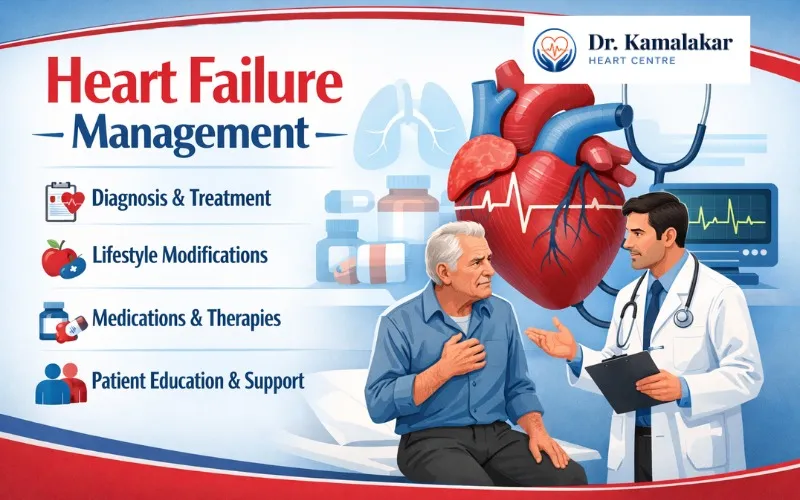
At Kamalakar Heart Centre, Guntur, Dr. Kamalakar Kosaraju, a leading Interventional Cardiologist, provides personalized, long-term care supported by advanced diagnostics and continuous monitoring.
What is Heart Failure?
Heart failure is a chronic condition where the heart is unable to pump blood efficiently to meet the body's needs. It does not mean the heart has stopped working, but that it is functioning less effectively.
Common Symptoms of Heart Failure
- Shortness of breath (especially during activity or lying down)
- Fatigue and weakness
- Swelling in legs, ankles, or feet
- Rapid or irregular heartbeat
- Persistent cough or wheezing
- Sudden weight gain due to fluid retention
- Difficulty performing daily activities
Heart Failure Treatment in Guntur
At Kamalakar Heart Centre, treatment is comprehensive and tailored to each patient:
1. Accurate Diagnosis
- 2D Echocardiography (to assess ejection fraction)
- ECG and blood tests
- Identification of underlying causes (CAD, hypertension, valve disease, cardiomyopathy)
2. Personalized Treatment Plan
- Medications (beta-blockers, ACE inhibitors, diuretics)
- Blood pressure and fluid management
- Risk factor control
3. Advanced Cardiac Care (If Required)
- Pacemaker implantation
- Cardiac Resynchronization Therapy (CRT)
- Continuous monitoring and follow-up
Emergency Response During Cardiac Arrest
If a person suddenly collapses, is unresponsive, and is not breathing normally:
- Call emergency medical services immediately
- Start chest compressions in the center of the chest
- Push hard and fast (100–120 compressions per minute)
- Allow full chest recoil after each compression
- Continue until medical help arrives
Early CPR can save lives and improve survival chances.
Heart-Healthy Diet & Lifestyle
A healthy lifestyle plays a key role in preventing and managing heart failure.
Foods to Include
- Fresh fruits and vegetables
- Whole grains (oats, brown rice)
- Lean proteins (fish, legumes, nuts)
- Healthy fats (olive oil, seeds)
- Low-fat dairy products
Foods to Limit
- Excess salt (sodium)
- Processed and packaged foods
- Fried and oily foods
- Sugary drinks
- Red meat (in excess)
Healthy Habits
- Follow your doctor's advice on salt and fluid intake
- Maintain a healthy weight
- Stay physically active (as advised)
- Avoid smoking and limit alcohol
- Manage stress effectively
When to Seek Immediate Medical Help
- Sudden severe breathlessness
- Chest pain or pressure
- Fainting or dizziness
- Rapid swelling or sudden weight gain
- Blue lips or fingertips
- Severe fatigue or confusion
Benefits of Heart Failure Management
- Improves heart function
- Reduces symptoms and hospital visits
- Prevents complications
- Enhances quality of life
- Supports long-term heart health
Conclusion
If you or your loved one is experiencing symptoms like breathlessness, fatigue, or swelling, do not delay medical care.
Consult Dr. Kamalakar Kosaraju at Kamalakar Heart Centre, Guntur for expert diagnosis, advanced treatment, and long-term heart failure management.
How Heart Failure Management Works
Comprehensive Evaluation
Detailed clinical assessment with Echo and diagnostic tests.
Customized Treatment
Medication and therapy tailored to patient condition.
Lifestyle & Diet Guidance
Structured guidance for long-term heart health.
Regular Monitoring
Ongoing follow-ups to track improvement and adjust treatment.
Heart Failure Management – Frequently Asked Questions
Heart failure is a long-term condition, but it can be effectively managed with proper treatment.
Common causes include coronary artery disease, high blood pressure, and heart muscle damage.
Yes, light to moderate exercise is beneficial under medical supervision.
Follow-ups depend on the severity of the condition and treatment plan.
A low-salt, balanced diet with fresh and natural foods is recommended.